


Azur Lane
4.09.48K Reviews
App Specs
- Version
- 9.3.7
- Updated On
- License
- Free
- Downloads
- 5,000,000+
- Developer
- Yostar Limited.
- Categories
- Action
- Platform
- Android, iOS
Screenshots

 Analysis by AppCompare
I tend to judge a mobile action game not only by how lively its battles look, but by how easy it is to understand what the screen is asking me to do. Azur Lane makes a strong first impression with anime-style ship characters and side-scrolling combat, yet its busy presentation also makes readability worth considering. If you enjoy collecting characters and building a fleet as much as dodging attacks, there is a lot here to explore; if you want a quiet, immediately legible game that asks little of your attention, the experience may feel crowded.
Getting oriented among fleets, menus, and battles
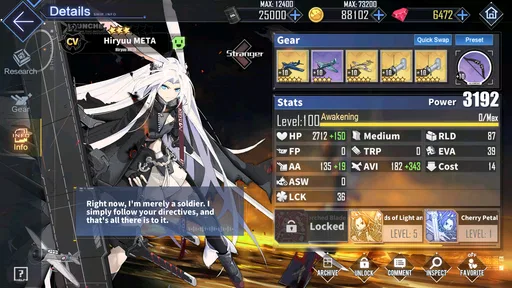
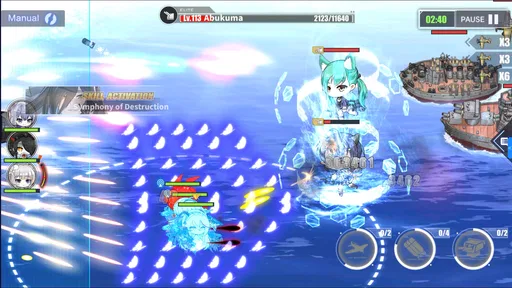
In my experience, the main appeal becomes clearer once I separate the game into its two rhythms: preparing a fleet and taking it into combat. Battles put movement and incoming fire in the foreground, while the planning side asks me to think about ships, abilities, stats, and equipment. That distinction is useful for new players: I can learn the action a little at a time, then spend a calmer moment working out why a fleet needs adjustment.
The art is a genuine strength, but it can compete with practical information. Character portraits, effects, enemy fire, and interface elements all share the screen, so I would not call this an especially spare or minimalist action game. When a fight gets visually lively, I find it sensible to focus on the immediate task—positioning and avoiding danger—rather than trying to read every detail at once. I can inspect the strategic choices between battles instead of forcing myself to process everything during one encounter.
That split also helps answer a common first-session question: does the game require instant mastery of its systems? I would not approach it as though every ship, stat, or piece of equipment has to make sense straight away. The fleet-building layer gives curious players room to learn through comparison, while the real-time battles give a more direct way to see how a chosen group performs. Taking those parts in sequence feels more manageable than treating the whole interface as one large lesson.
Touch, attention, and different play conditions
Because combat is active and side-scrolling, this is a game where touch control and visual attention matter. I need to watch the action and respond to threats, so it is a better fit when I can hold the device comfortably and give the screen my focus. I would be cautious about starting a demanding fight while walking, juggling other tasks, or using the game as background entertainment; that is when a visual cue or a movement can be easy to miss.
The same point matters for anyone who finds rapid visual motion tiring or has difficulty distinguishing crowded effects. The artwork is expressive, and the battles are designed to feel active, but those qualities can make a screen harder to parse when several things happen at once. I would try a short play session and see whether the pace feels comfortable rather than assuming that a visually appealing game will automatically be easy to follow. A quieter moment is also better for learning menus and equipment decisions.
For a practical routine, I would use brief breaks for a small, low-pressure check-in—looking over a fleet or deciding what to work on next—and save more attention-heavy combat for a seat and a few uninterrupted minutes. That is not a special mode; it is simply a sensible way to match the game’s action to the situation. If you prefer games that are fully hands-off, or ones that can be played without watching the screen closely, this is probably not the right choice.
Worth Reading Before You Choose

EA SPORTS FC Mobile 26 Is a Bigger Football Game, but It Takes Time

Flipboard Shows What News Apps Must Do Beyond the Feed

Switching to Android Auto Means Rethinking Your Driving Routine

Google Calendar Makes a Crowded Week Easier to Manage

Ludo King Makes the Most of the Minutes Between Plans

Baby Panda World Brings Quick Play to Modern Phones, but Its Game Library Feels Busy
What the collection asks of you
Collecting ship girls gives the game a long-term reason to return, but it also changes what “progress” feels like. A player who enjoys comparing characters, adjusting equipment, and gradually shaping a fleet will find more to do than someone who only wants a short sequence of self-contained action stages. I like that the strategic layer gives the characters practical roles, though the number of options can turn a quick decision into a longer session if I start comparing everything at once.
My advice is to pick one immediate goal before opening the management side: improve a particular fleet, try a character you like, or make one equipment change and see how it feels. That keeps customization useful instead of turning it into a lengthy inventory audit. Skins add a visual way to personalize ships, while equipment and fleet composition affect the strategic side; keeping those two motives separate helps me decide whether I am changing something for appearance or for how I want to play.
It is also worth setting expectations around spending. The game is free to start, while optional in-app purchases range from $0.99 to $79.99 per item. I would treat purchases as a personal spending choice rather than a requirement to enjoy the core loop. If you are prone to buying collectibles impulsively, deciding on a limit before browsing is a practical safeguard; if you would rather avoid games with optional purchases altogether, a paid game with a fixed upfront price may suit you better.
How it fits beside other action games
Compared with a straightforward arcade shooter, this has more collection and fleet planning wrapped around the action. Compared with a character-collection game that keeps combat mostly automatic or menu-based, its side-scrolling battles ask me to stay involved in dodging and attacking. That mixture is its clearest distinction, but it also means the game is not the best version of either extreme: players seeking pure reflex action may find the management layer distracting, while players seeking a relaxed collector may find real-time combat more demanding than they want.
I would recommend it most to someone who likes anime character art, naval themes, and the small satisfaction of tuning a team between bouts. It is less suitable for someone who dislikes busy screens, wants every session to be short and interruption-proof, or has no interest in managing a roster. The Teen content rating is another useful consideration when choosing a game for a younger player; I would check that the game’s presentation and purchase options fit the household’s preferences rather than assuming a free download makes it appropriate for everyone.
For a realistic everyday example, imagine having a quiet stretch after dinner rather than a few distracted seconds on the move. I might use that time to check a fleet, make one equipment choice, then play a battle while I can watch the screen. If I only have a brief pause between errands, I would avoid starting a fight that needs active attention and return when I can focus. This simple distinction makes the game easier to fit into a routine without pretending every moment is a good time to play.
Setting Sail: First Impressions
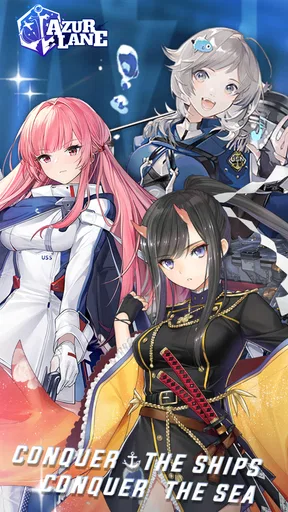
Imagine a world where ships are anthropomorphized into stunning anime characters. That's right, Azur Lane combines the thrill of naval combat with the charm of anime-style artwork. The moment I launched the game, I was greeted with vibrant visuals and catchy tunes that instantly pulled me into its universe.
From the get-go, the design and artwork are top-notch. Each ship girl is meticulously crafted with unique designs and personalities. The attention to detail in both the characters and the ships is impressive, and it's clear that a lot of love went into creating this world.
Gameplay Mechanics: Strategy Meets Action
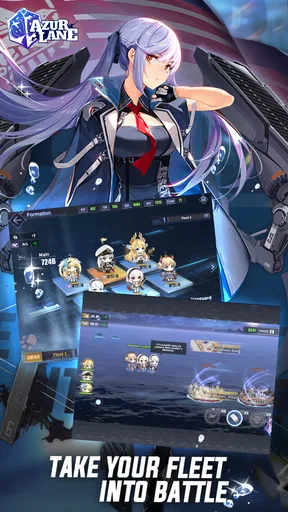
Now, let's talk gameplay. At its core, Azur Lane is a side-scrolling shooter with RPG elements. You'll be managing a fleet of ship girls, each with their own abilities and stats. The battles are real-time, and you're in control as you dodge enemy fire and unleash powerful attacks.
The strategic element comes into play with fleet composition and equipment management. You need to think about the strengths and weaknesses of your ships, and how best to utilize them in battle. It's a delicate balance between action and strategy, and honestly, it's pretty addictive.
Collection and Customization: A Ship Girl for Everyone
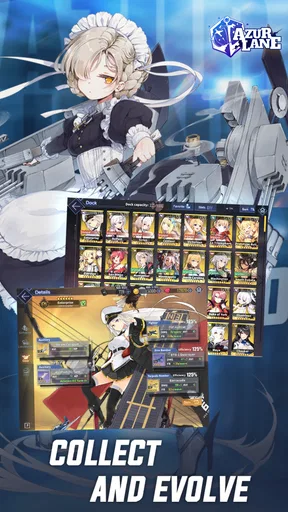
One of the most appealing aspects of Azur Lane is the sheer number of characters you can collect. With over 300 ship girls available, there's plenty to keep collectors busy. Each character is based on historical naval ships, adding a layer of depth for history buffs.
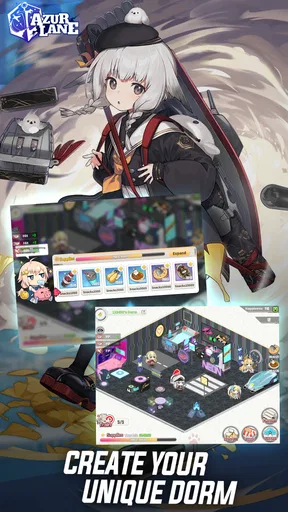
Customization is also a big part of the game. You can outfit your ships with different gear, and even change their appearance with skins. The game offers a lot of freedom to personalize your fleet, which makes the experience feel unique to each player.
Events and Community: Ever-Changing Waters
Azur Lane is constantly evolving with new events and updates. These events often tie into real-world holidays or special anniversaries, bringing fresh content and new ship girls to the game. It's a great way to keep things interesting and ensure there's always something new to look forward to.
The community around Azur Lane is vibrant and active. Whether you're looking for tips, fan art, or just a group of like-minded players to chat with, you'll find it here. The game's developers also seem to listen to player feedback, which is always a big plus in my book.
Final Thoughts: A Voyage Worth Taking
So, is Azur Lane worth your time? If you're a fan of anime, naval battles, or just enjoy a game that mixes strategy with action, I'd say absolutely. It's a game that offers depth without overwhelming complexity, and its charming art style is hard to resist.
For context, this is a free action game from Yostar Limited., released on August 16, 2018, and its current version is 9.2.1. It requires Android 7.0 or later. The community response is positive overall, with a 4.1 average from over 160,000 ratings; more than 5 million installs show that it has reached a broad mobile audience. Those figures are useful context, not a guarantee that its pace or presentation will suit every player.
The steady stream of events can be a reason to return, but it can also make the game feel like a commitment if you are uncomfortable with content that changes over time. I would treat events as optional reasons to explore, not a checklist that must be completed. Players who prefer a finished experience with a clear endpoint may be happier with a self-contained action game; here, the collection and evolving activities are part of the appeal.
As a quick practical guide, I would begin by learning the battle controls before worrying about optimizing every ship. Then, when a fleet feels underpowered or a fight becomes uncomfortable, I would look at its composition and equipment rather than changing several things at once. Making one adjustment at a time gives a clearer sense of what helped, and it prevents the management side from becoming guesswork. That approach is especially useful for players who enjoy strategy but do not want to turn each session into a spreadsheet exercise.
It is also a game for people who enjoy its specific blend of naval inspiration and anime character design, not a historically focused simulation. The ship identities provide a theme and a collecting hook, while the moment-to-moment experience remains an action RPG-style shooter. If authenticity of naval tactics is your main priority, I would look for a dedicated simulation instead. If you are here for character collecting with hands-on battles, the blend makes more sense.
The game is rated Teen, so I would keep that age guidance in mind when deciding whether it is suitable for a younger player. The free entry point makes it easy to try, but optional purchases mean families may also want to discuss spending expectations before a child plays. For adults, the same advice applies in a simpler form: decide whether you are comfortable with optional purchases, then enjoy the game without treating every collectible as something you need to obtain.
Azur Lane is not an ideal choice for every context. Its active combat calls for attention, its layered menus reward patience, and its collectible structure may not appeal to players who want a compact game with a fixed finish. On the other hand, I can see it working well for someone who likes returning to a familiar fleet, making a considered tweak, and then putting that choice into practice in a battle. The best fit is a player who values both the hands-on action and the longer-term roster decisions.
Whether you're in it for the gameplay, the characters, or the community, Azur Lane provides a rich experience that's easy to get lost in. So why not give it a shot? You might just find yourself hooked on this nautical adventure.
Pros
- Stunning graphics and character designs.
- Strategic and engaging gameplay mechanics.
- Frequent updates with new content.
- Generous events and rewards system.
- Strong community and social features.
Cons
- Requires a stable internet connection.
- Can be time-consuming to progress.
- Some events may feel repetitive.
- In-app purchases can be expensive.
- Occasional performance issues on older devices.
FAQs for Azur Lane
What is Azur Lane about?
Azur Lane is a captivating naval warfare game where players collect and command a fleet of shipgirls, each inspired by real-world warships. The game combines side-scrolling shooting mechanics with RPG elements, offering a unique blend of strategic depth and engaging combat. Players engage in missions, battles, and events to strengthen their fleet.
Is Azur Lane free to play?
Yes, Azur Lane is free to play, but it includes in-app purchases. Players can buy various items and resources to enhance their gameplay experience. While spending money can accelerate progress, it is not necessary to enjoy and succeed in the game, as it provides plenty of opportunities to earn rewards through gameplay.
What platforms is Azur Lane available on?
Azur Lane is available on both Android and iOS platforms. It can be downloaded from the Google Play Store for Android devices and the Apple App Store for iOS devices. The game is optimized for mobile play, allowing players to enjoy its features on smartphones and tablets without compromising on quality.
How does the combat system work in Azur Lane?
Azur Lane features a side-scrolling combat system where players control a fleet of shipgirls. Battles are real-time, requiring players to dodge enemy attacks while targeting foes. Each shipgirl has unique skills and abilities, adding strategic depth to combat. Players can automate battles or take control for a more hands-on experience.
Are there social features in Azur Lane?
Yes, Azur Lane includes several social features. Players can join guilds, known as fleets, to collaborate and participate in cooperative events. The game also offers a chat system for communication with other players. Engaging with the community enhances the gameplay experience and provides additional opportunities for collaboration and strategy sharing.


